
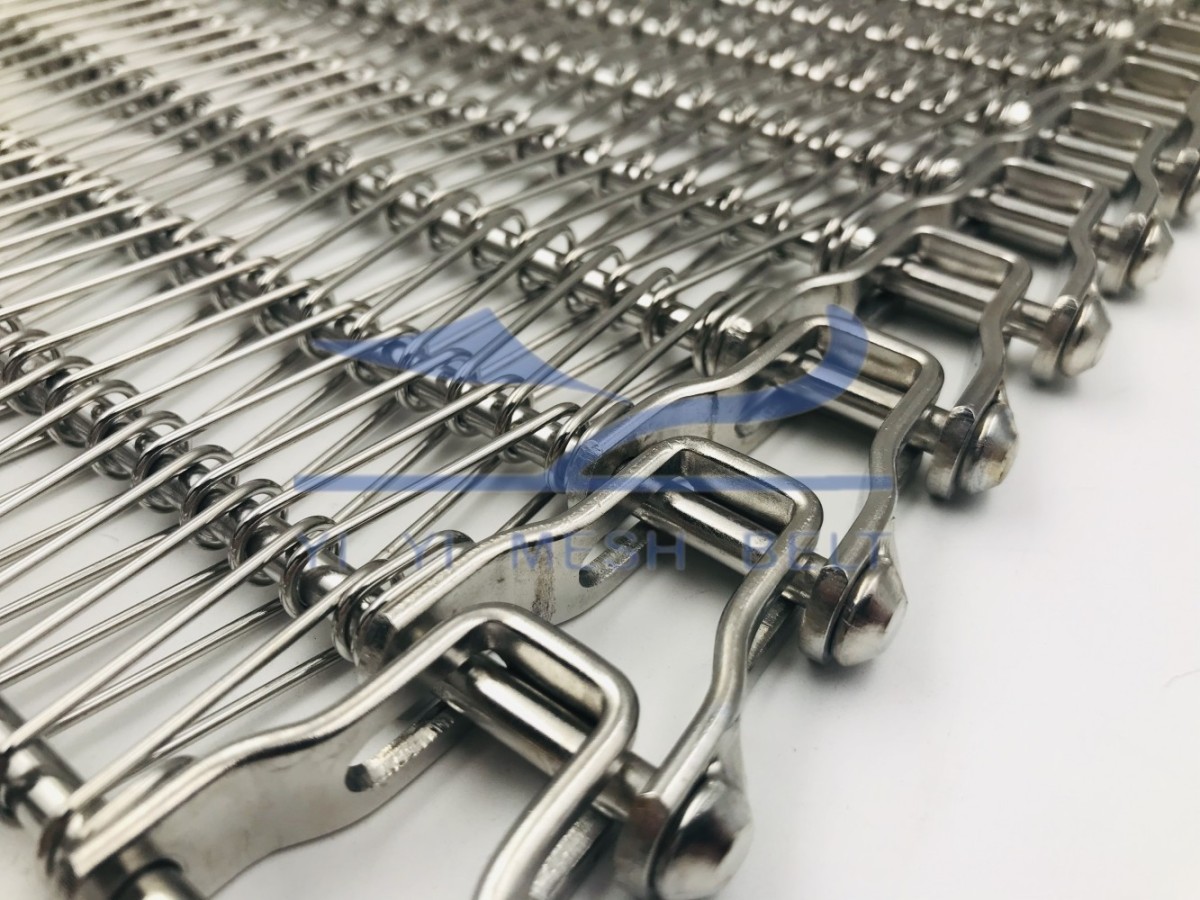
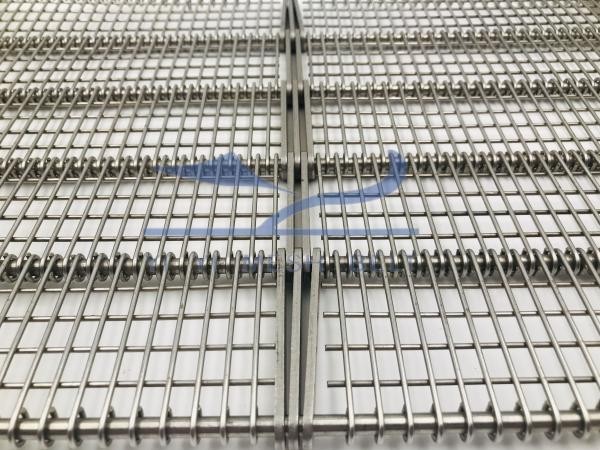
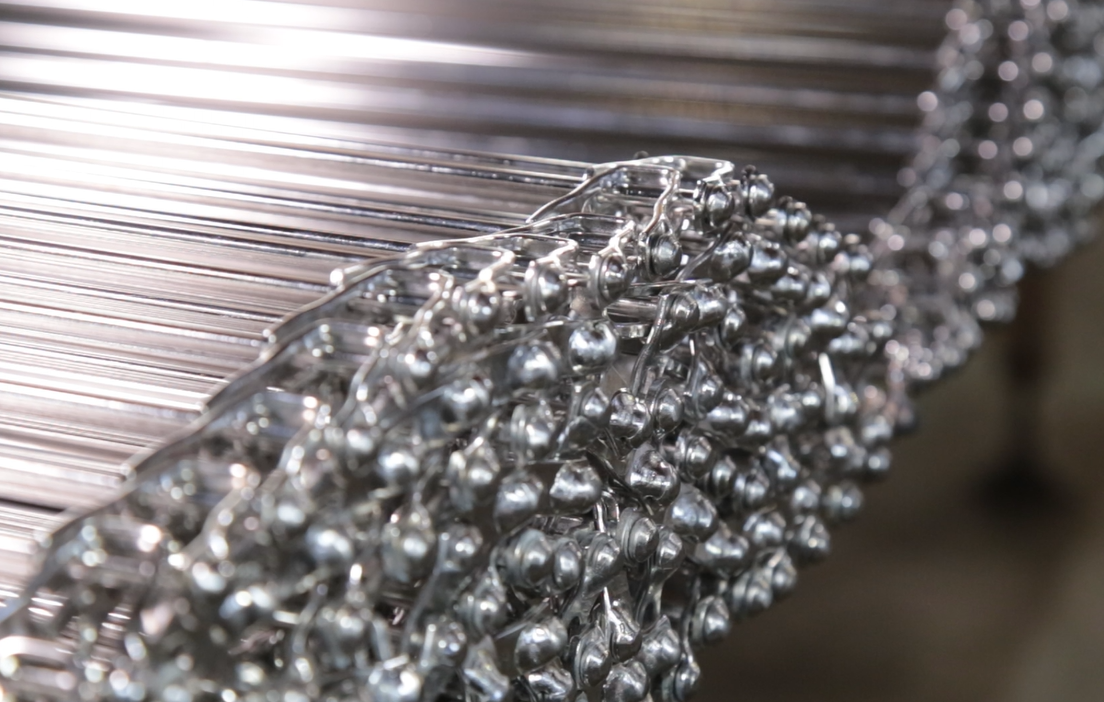
Metal mesh belts are conveyor systems made from interconnected metal wires or plates. They offer a flat and continuous surface, allowing products to move smoothly and evenly during the freezing process. The open structure of metal mesh belts enables optimal airflow and heat transfer, ensuring rapid freezing of seafood products.
Key Features of Metal Mesh Belts for Quick Freezing
Metal mesh belts designed for quick freezing applications possess several important features:
High Strength: Metal mesh belts are engineered to withstand the rigorous demands of freezing environments and heavy loads.
Corrosion Resistance: The materials used in metal mesh belts are selected for their resistance to corrosion caused by the freezing process and exposure to seafood.
Excellent Heat Transfer: Metal mesh belts offer high thermal conductivity, facilitating efficient heat transfer during the freezing process.
Easy Cleaning: Metal mesh belts can be easily cleaned to maintain hygiene standards, ensuring food safety.
Types of Metal Mesh Belts Suitable for Quick Freezing of Shrimp and Fish
Stainless Steel Metal Mesh Belts
Stainless steel metal mesh belts are widely used in quick freezing applications due to their exceptional properties. These belts offer:
High Corrosion Resistance: Stainless steel is highly resistant to corrosion caused by the exposure to saltwater and seafood, making it ideal for freezing shrimp and fish.
Superior Strength: Stainless steel metal mesh belts provide excellent strength and durability, enabling them to withstand heavy loads and frequent use.
Hygienic Properties: Stainless steel is easy to clean and maintain, ensuring optimal hygiene standards in the seafood industry.
Choosing the Right Metal Mesh Belt
When selecting a metal mesh belt for quick freezing, several factors should be considered:
Operating Conditions and Environment: Evaluate the temperature, humidity, and other environmental factors to choose a belt that can withstand the specific conditions.
Belt Strength and Durability: Consider the load capacity and durability requirements to ensure the chosen belt can handle the intended application.
Mesh Size and Open Area: The mesh size and open area affect the airflow and heat transfer, impacting the freezing efficiency.
Hygiene and Cleanability: Opt for belts that are easy to clean and maintain, complying with food safety standards.
Cost and Longevity: Balance the initial investment with the expected lifespan and performance of the belt.
Proper Maintenance and Cleaning of Metal Mesh Belts
To ensure optimal performance and longevity of metal mesh belts, regular maintenance and cleaning are essential. This includes removing debris, lubricating moving parts, and addressing any signs of wear or damage. Proper maintenance will extend the lifespan of the belt and maintain its effectiveness in quick freezing operations.
Case Studies: Successful Applications of Metal Mesh Belts in Quick Freezing
Case Study 1: Shrimp Quick Freezing with Stainless Steel Metal Mesh Belt
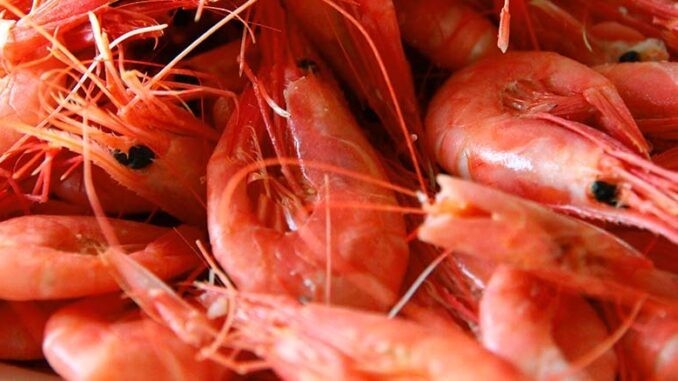
In a shrimp processing facility, stainless steel metal mesh belts were employed for quick freezing. The corrosion resistance of stainless steel ensured that the belts remained intact even in the presence of saltwater and shrimp juices. The open structure of the metal mesh belts allowed for efficient airflow and rapid freezing, preserving the quality and freshness of the shrimp.
Conclusion
Metal mesh belts play a vital role in the quick freezing of shrimp and fish in the seafood industry. Choosing the right type of metal mesh belt is crucial for achieving efficient and reliable freezing results. Stainless steel and carbon steel metal mesh belts offer unique advantages and cater to different requirements. Considering factors such as operating conditions, belt strength, cleanliness, and cost will help businesses make an informed decision. Proper maintenance and cleaning will ensure the longevity and effectiveness of metal mesh belts in quick freezing applications.
FAQs
Q: How does quick freezing benefit shrimp and fish?
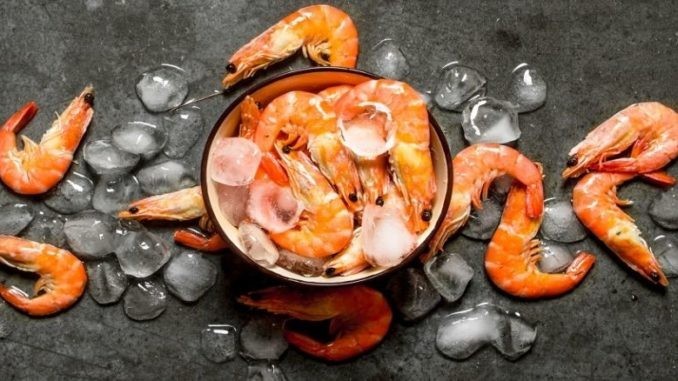
A: Quick freezing preserves the freshness and quality of shrimp and fish by rapidly reducing their temperature, preventing the formation of large ice crystals that can damage the texture and taste.
Q: Are metal mesh belts suitable for other food freezing applications?
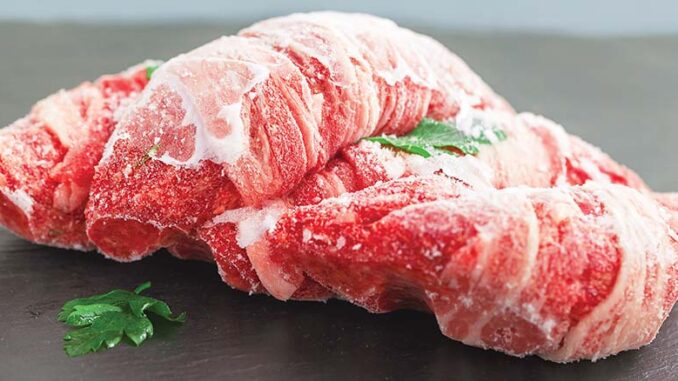
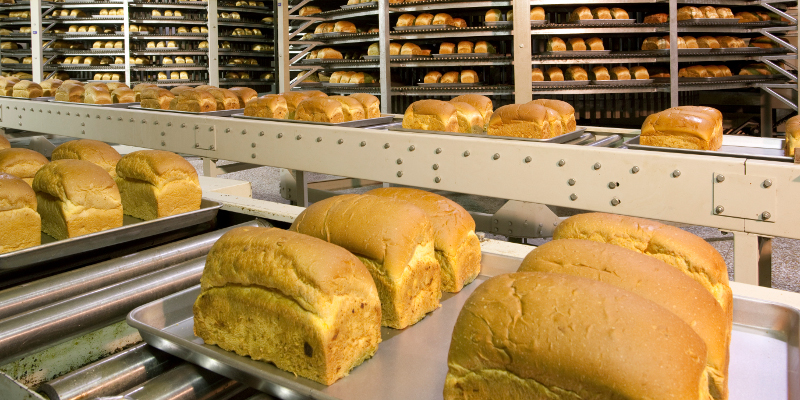
A: Yes, metal mesh belts are widely used in various food freezing processes, including fruits, vegetables, meat, and bakery products.
Q: What maintenance practices should be followed for metal mesh belts?
A: Regular cleaning, lubrication, and inspection for wear or damage are essential maintenance practices for metal mesh belts.
Q: Are metal mesh belts environmentally friendly?
A: Metal mesh belts can be considered environmentally friendly as they are reusable, durable, and do not contribute to plastic waste like some other conveyor belts.
#conveyorbelts #meshbelt #metalconveyors #conveyorbelts #freezing #spiralbelts #eyelinkbelts #conveyor #belts
CONTACT




We're here help every step of the way.
Related Products
 How Trapezoidal Mesh Belt Is Used for Chocolate Coating Production Process
 How Spiral Wire Mesh is Used in the Production of Poultry Processing
 If you are replacing the original metal wire mesh belt, what parameters do you need to provide
 Chain Type and Model for Chain Driven Wire Mesh Metal Conveying Production
 How metal conveyor belts are used in the ready meal industry
 What Type of Metal Mesh Belt Can Be Used for Quick Freezing of Shrimp and Fish
 Spiral Freezer Mesh Belt Used for Cooling Operations in the Baking Industry
 Applications and Advantages and Disadvantages of Metal Chain Plate Belt


Message