

Introduction
In the fast-paced world of the ready meal industry, efficient and reliable transportation of food products is crucial. Metal conveyor belts have emerged as a popular choice for manufacturers, offering numerous benefits such as improved food safety, enhanced productivity, and easy maintenance. This article explores the various applications and advantages of metal conveyor belts in the ready meal industry.
What are Metal Conveyor Belts?
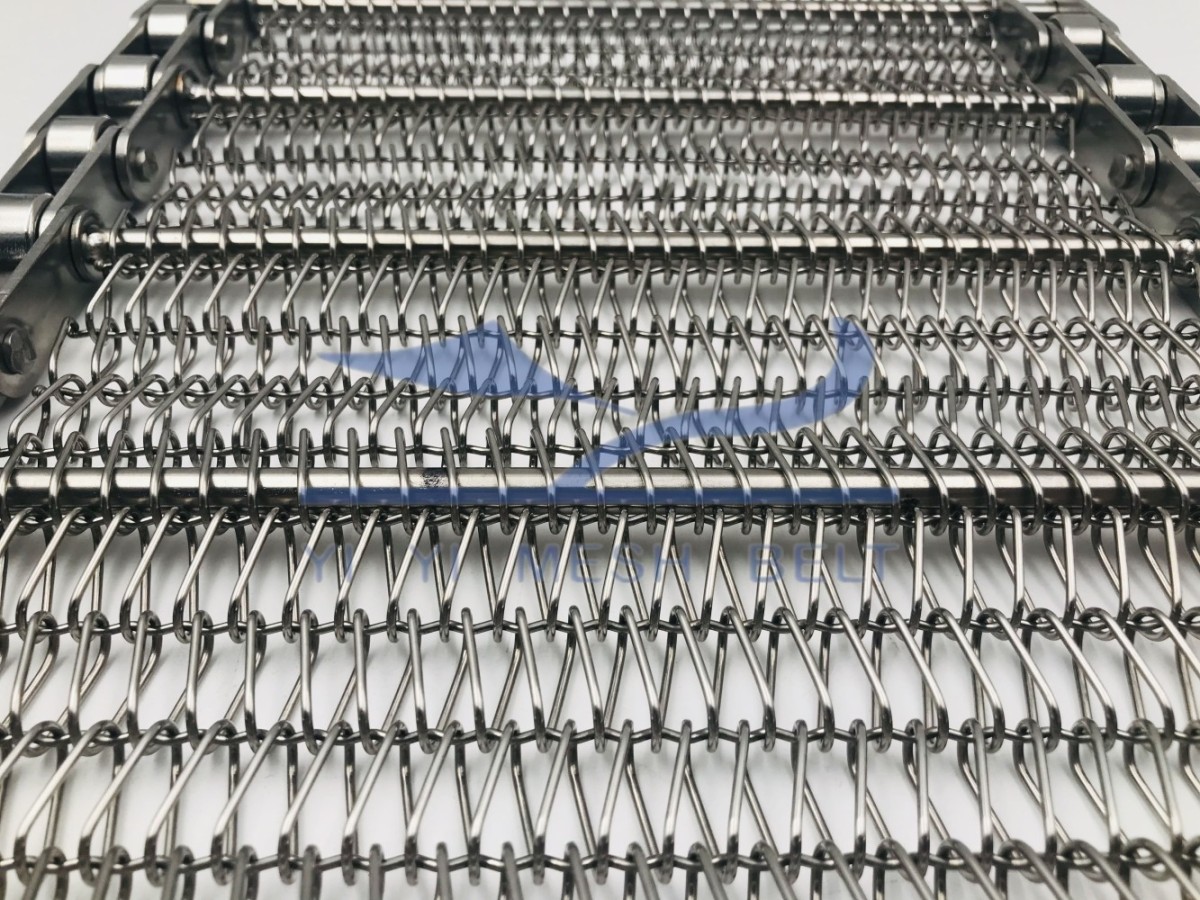
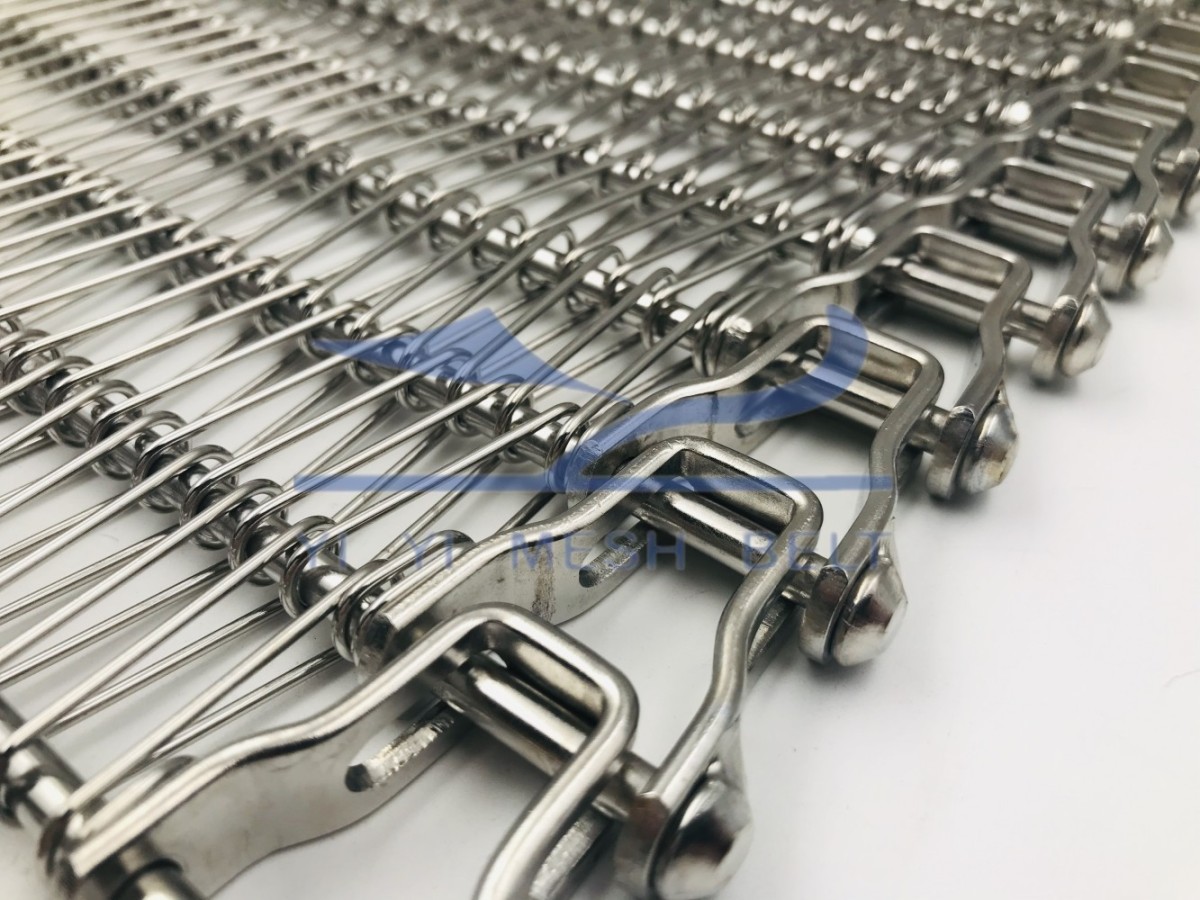
Metal conveyor belts are durable and robust conveyor systems made from stainless steel or other metal alloys. They consist of interlocking metal links or mesh that form a continuous belt, capable of carrying products along a specified path. These belts are widely used in industries requiring high strength, temperature resistance, and hygiene standards, making them ideal for the ready meal industry.
Types of Metal Conveyor Belts
1. Balanced Weave Belts:
· Features and benefits.
· Suitable applications.
2. Flat Wire Belts:
· Features and benefits.
· Suitable applications.
3. Rod Network Belts:
· Features and benefits.
· Suitable applications.
4. Chain Link Belts:
· Features and benefits.
· Suitable applications.
Benefits of Metal Conveyor Belts in the Ready Meal Industry
Enhanced Food Safety
Metal conveyor belts are inherently hygienic due to their smooth surface and easy-to-clean design. They minimize the risk of contamination by preventing bacterial growth and ensuring thorough cleaning between production cycles. This feature is particularly important in the ready meal industry, where food safety is paramount.
Improved Efficiency and Productivity
Metal conveyor belts enable seamless and automated material handling, improving overall production efficiency and reducing labor costs. With smooth and consistent product flow, manufacturers can achieve higher throughput rates and minimize bottlenecks in the production line, ultimately increasing productivity.
Easy Cleaning and Maintenance
Maintaining cleanliness in food processing environments is critical. Metal conveyor belts can be easily cleaned using various methods, such as steam cleaning or high-pressure washdowns. Their open design allows for efficient cleaning, preventing the buildup of debris and ensuring compliance with strict sanitation regulations.

Customization Options
Metal conveyor belts can be customized to suit specific production requirements. Manufacturers can choose from various belt widths, pitches, and configurations to accommodate different product sizes, weights, and shapes. This flexibility allows for seamless integration into existing production lines and ensures optimal performance.
Case Studies of Metal Conveyor Belt Applications
1. Case Study 1: Increased Efficiency in Ready Meal Packaging
· Description of the problem.
· Implementation of metal conveyor belts.
· Results and benefits.
2. Case Study 2: Enhanced Food Safety in Ingredient Handling
· Description of the problem.
· Implementation of metal conveyor belts.
· Results and benefits.
Conclusion
Metal conveyor belts have revolutionized the ready meal industry by providing efficient and reliable transportation solutions. Their hygienic design, improved productivity, and easy maintenance make them an ideal choice for food processing facilities. Incorporating metal conveyor belts into the production line ensures enhanced food safety, increased efficiency, and customization options tailored to specific requirements.
What is IQF?
IQF stands for Individual Quick Freezing. It is a method used in the food industry to freeze individual food items quickly and separately. The process involves placing food items on a conveyor belt and rapidly freezing them at extremely low temperatures. IQF is commonly used for fruits, vegetables, seafood, and various other food products. The individual freezing helps maintain the quality, texture, and nutritional value of the food.
Are metal conveyor belts suitable for high-temperature applications?
Regarding metal conveyor belts and high-temperature applications, metal conveyor belts can be suitable for such environments depending on the specific type of metal used and the temperature requirements. Some metals, such as stainless steel, can withstand high temperatures without significant degradation. However, it is important to consider factors like the material composition, belt design, and application requirements to ensure the suitability of a metal conveyor belt for high-temperature environments.
How often should metal conveyor belts be cleaned? Answer to the question.
The frequency of cleaning metal conveyor belts can vary depending on the specific application and the type of product being conveyed. In general, metal conveyor belts should be cleaned regularly to maintain hygiene standards and prevent product contamination. Factors like the nature of the product, potential for buildup or residue, and food safety regulations should be taken into account when determining the cleaning frequency. It is recommended to follow the manufacturer's guidelines and establish a regular cleaning schedule based on the specific needs of the production line.

Can metal conveyor belts be retrofitted into existing production lines?
Metal conveyor belts can often be retrofitted into existing production lines. Retrofitting involves replacing existing conveyor systems with metal belts or modifying the existing system to accommodate metal belts. The feasibility of retrofitting depends on factors like the design and layout of the production line, the compatibility of the metal conveyor belts with the existing equipment, and the specific requirements of the application. Consulting with a conveyor system manufacturer or an engineering professional can provide valuable insights into the retrofitting process and help determine the best approach for integrating metal conveyor belts into an existing production line.
#conveyorbelts #meshbelt #metalconveyors #conveyorbelts #freezing #spiralbelts #eyelinkbelts #conveyor #belts
CONTACT




We're here help every step of the way.
Related Products
 How Trapezoidal Mesh Belt Is Used for Chocolate Coating Production Process
 How Spiral Wire Mesh is Used in the Production of Poultry Processing
 If you are replacing the original metal wire mesh belt, what parameters do you need to provide
 Chain Type and Model for Chain Driven Wire Mesh Metal Conveying Production
 How metal conveyor belts are used in the ready meal industry
 What Type of Metal Mesh Belt Can Be Used for Quick Freezing of Shrimp and Fish
 Spiral Freezer Mesh Belt Used for Cooling Operations in the Baking Industry
 Applications and Advantages and Disadvantages of Metal Chain Plate Belt
Message